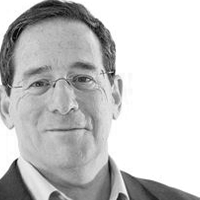


Sheri K. Taketa is an Educational Specialist with the Hawaiʻi State Department of Education, Office of Student Support Services, Project HI-AWARE2. She has over 15 years of experience in school-based behavioral health and leads statewide initiatives focused on Behavioral Threat Assessment and Management (BTAM) and suicide prevention for secondary students. Sheri is a Licensed Mental Health Counselor (LMHC), a U.S. Department of Homeland Security’s National Threat Evaluation and Reporting (NTER) Certified Master Trainer, and a trainer in numerous evidence-based prevention and intervention programs.
Sheri serves on the Hawaiʻi Targeted Violence Prevention Working Group and is a member of the Threat Team Hawaiʻi (TTH) Steering Committee and Consultation Group. She also serves on the Prevent Suicide Hawaiʻi Task Force and its Strategic Planning Steering Committee, the Governor’s Challenge to Prevent Suicide Among Service Members, Veterans, and Their Families, and the Suicide Mortality Review Team. Nationally, Sheri is a member of the Association of Threat Assessment Professionals (ATAP) and participates in the Divided Community Project. She also serves as a Board Member of the American Foundation for Suicide Prevention (AFSP) – Hawaiʻi Chapter, where she chairs both the Education Committee and the Advocacy/Public Policy Committee.
Guided by the Hawaiian value of HĀ, the breath of life, Sheri believes that every life is sacred. Her work is grounded in the belief that prevention is about protecting the breath in between, the moments, relationships, and opportunities that shape a person’s life. Through collaboration, compassion, and connection, she is committed to building systems that foster hope, strengthen relationships, and ensure that every individual feels seen, supported, and valued. Because even one life lost is too many, Sheri believes that protecting HĀ means protecting life itself by honoring every breath, every person, and every opportunity for healing, belonging, and a future filled with possibility.
The catalytic power of this Summit in bringing together those who are devoting their lives to pushing back and working to confront, understand and work towards solutions around hate in our society is a noble and difficult task. The Summit not only energized those who attended but led to connecting the dots in a global network of those doing this work. The stories of the victims of hate were painful to witness but their courage in coming forward was inspirational. Those who attended left energized with the hope that by working together solutions can be forged.