
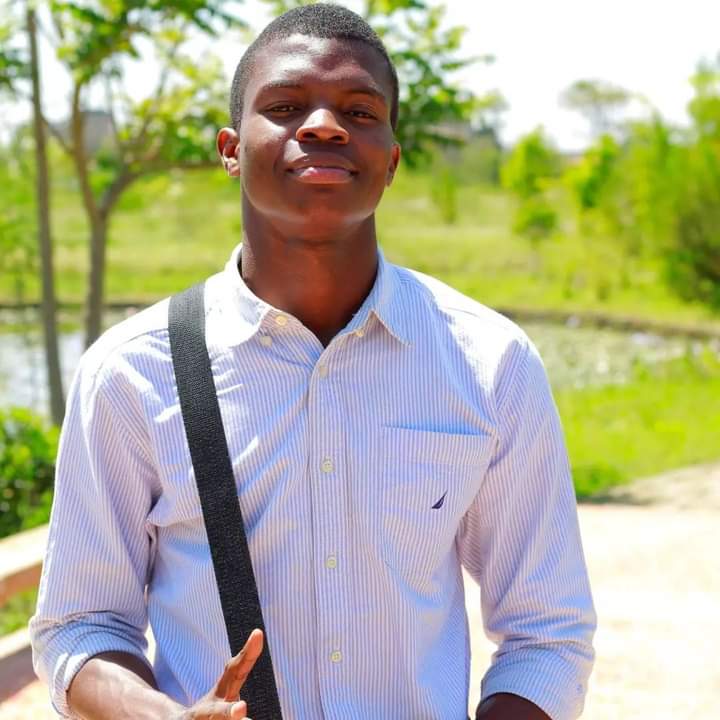
Khalifah Salim Mwarangi
Founder / Executive Director, Diani Youth Beach Cleaning and Management Services; Alumnus, YEEP-KENYA
2026
Khalifah Salim Mwarangi is a Kenyan youth peace builder, community advocate, victim of terrorism and youth leader from Kenya’s coastal region. After losing his father to terrorism in 2014, Khalifah experienced firsthand the long-term social and economic effects terrorism can have on families and young people. This experience became a foundation for his commitment to youth empowerment, community resilience and the prevention of violent extremism.
Khalifah is an alumnus of the United Nations Office of Counter-Terrorism (UNOCT) Youth Engagement and Empowerment Programme (YEEP), through which he engaged young people in Kenya and contributed to national and regional policy dialogues on preventing and countering violent extremism. As part of the YEEP Kenya cohort, he contributed to a peer-engagement process that reached 845 young people, generating evidence that informed policy recommendations presented to national and regional decision-makers.
Through YEEP, Khalifah has advocated for meaningful youth participation in peace and security decision-making, youth-led community initiatives, mental health support, education, employment and entrepreneurship, digital resilience, good governance and stronger community-based approaches to preventing violent extremism. He has also engaged in regional exchanges with youth leaders and policymakers from Kenya, Somalia, and Nigeria, contributing to cross-border learning and policy discussions.
Khalifah is the founder of Diani Youth Beach Cleaning (DYBC), a youth-led community initiative that uses environmental action as a platform for youth engagement, social cohesion, community resilience and positive alternatives to crime and radicalization. Through beach clean-ups, school outreach and community engagement, DYBC creates opportunities for young people to develop a sense of purpose, leadership, responsibility, and belonging.
He is also a member of the Victims of Terrorism Associations Network (VoTAN), where he brings a survivor perspective to international conversations on victims’ rights, participation, resilience and recovery. Khalifah’s work is grounded in the belief that victims and young people should not only be viewed as beneficiaries of peace and security interventions, but as active partners and agents of change.
His journey reflects a commitment to transforming personal loss into community action and using lived experience, youth participation and grassroots initiatives to contribute to more peaceful, inclusive and resilient communities.

This cannot be thought of as a conference or a summit. The stakes are simply too high and the data/conversation and methods to drive action more valuable/motivating than any gathering I have attended. I took more than 100 pages of notes and have shared them with my CBS News leadership team, anchors, producers, and correspondents. Nothing about this gathering was easy. The agony around this topic is real. But no one curious about it could ask for a more devoted, rational, or unflinching look into this dark but decipherable world.