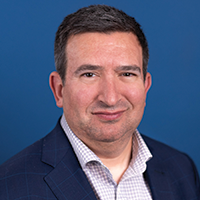

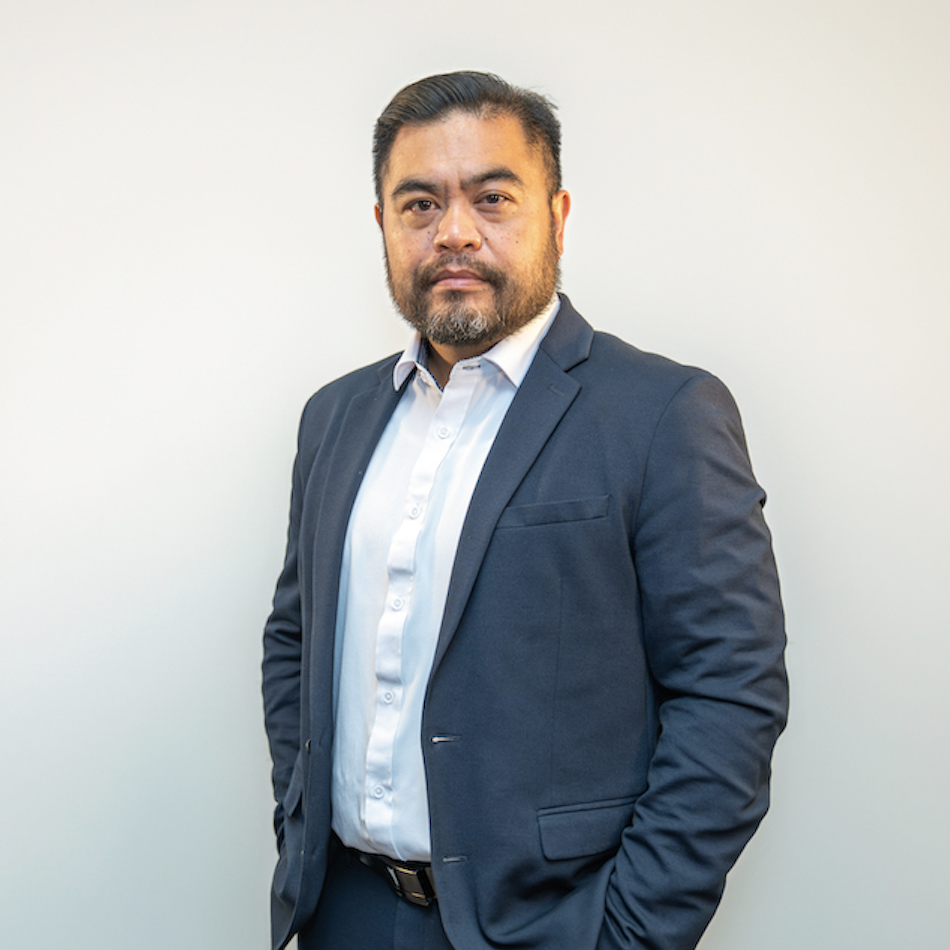
Randy Duque is the Deputy Director of the Philadelphia Commission on Human Relations (PCHR)’s Community Relations Division – the “peacemaking” unit of the agency. He served as Acting Executive Director in 2025 and 2021 as the first Asian American to lead the department. Randy’s responsibilities cover several areas including: civil rights, intercultural relations, hate and extremism prevention and response, victim services, immigrant and refugee issues; and conflict intervention, mediation, and de-escalation. He has presented at national and international forums and consulted for agencies in the US and Europe on strategies to combat hate and create strong community-government-law enforcement partnerships. Most recently, he was responsible for the development and execution of the human rights safeguarding and anti-discrimination safety plan for the FIFA World Cup operation in Philadelphia.
Through Randy’s work and leadership, PCHR was presented with the 2016 FBI Director’s Community Leadership Award. In 2018 he received the PA Governor’s Advisory Commission on Asian Pacific American Affairs (PAGACAPAA) “Outstanding Asian Americans and Pacific Islanders” recognition and was later appointed as a commissioner where he chaired the PAGACAPAA Civil Rights Committee; and was bestowed a knighthood by the Knights of Rizal – the official civic knighthood of the Philippines—in which he currently holds the rank of Knight Commander of Rizal.. In 2023 and 2026, Randy was appointed to the Philadelphia Bar Association’s Commission on Judicial Selection and Retention to review and recommend judicial candidates.
Randy’s background covers the full spectrum of conflict management. He received his master’s degree in communication and conflict; and bachelor’s degree in anthropology at Temple University where he was also an adjunct instructor. He is a skilled martial arts practitioner in a variety of traditional Eastern disciplines and was an instructor in Chin Woo Kung Fu—a traditional combined style of Kung Fu. He also served ten years in the infantry with the Pennsylvania Army National Guard. In his spare time, Randy plays bass and guitar in several groups of different genres of music including a Filipino folk string ensemble and a Ukrainian folk-rock band.

To me, Eradicate Hate was the most important gathering of 2021 for those of us who work on issues related to domestic extremism and organized hate. The Summit uniquely combined a variety of perspectives, including experts, civil society representatives, politicians and policymakers, and the families and loved ones of victims. Eradicate Hate has the important mission of standing against the rising tide of hate and extremism in our society, and it’s an honor to be able to support this mission.